
Allergy Treatments
At ENT Specialists of Wisconsin, we provide personalized, effective allergy care to help you feel better. Our team of experts, apply the most current diagnostic testing and treatment options for every patient, with services including food allergy testing and management, respiratory evaluations, excellent care for allergic skin conditions, treatment for nasal obstructions, sinus problems, tonsils, and more. Our top priority is ensuring that our patients get the relief they need.
Let our experienced team help you breathe better and find relief from your symptoms today. Call our office to find out how we can help you!
Our Allergy Treatment Plans
- Allergen Immunotherapy
- Allergy Skin Testing
- Aspirin Challenge/Desensitization
- Asthma Action Plan
- Eczema Skincare Plan
- Exercise Bronchoprovocation Challenge
- Exhaled Nitric Oxide Testing
- Food Allergy Action Plan
- Food Challenges
- Lung Function Testing (Spirometry)
- Medication Desensitization
- Rhinolaryngoscopy
- Sinus CT Scan
- Skin Biopsy
Allergy and Asthma Center
Our Allergy Team is Here for You














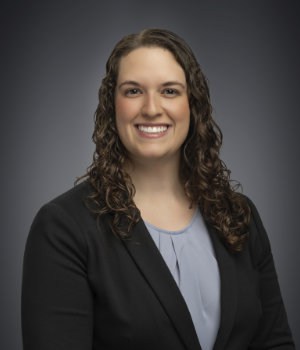
Let our experienced team at Ear, Nose and Throat Specialists of Wisconsin help you get back to living your life without limitations!
Frequently Asked Questions about Allergy Treatments
Should I see an allergy specialist or just take over-the-counter allergy medicine?
See an allergy specialist when over-the-counter medicine no longer controls your symptoms, when symptoms return every season, or when they disrupt your sleep, breathing, or daily life. OTC antihistamines can ease mild, occasional symptoms, but they never identify what you are actually reacting to. A specialist can test for your specific triggers and offer longer-term options such as allergen immunotherapy that OTC products cannot. Providers at ENT Specialists of Wisconsin also determine whether allergies, sinus problems, or another condition is driving your symptoms.
How long does it take for allergy shots to start working?
Most people begin noticing relief from allergy shots within six to twelve months, with the strongest results after continued treatment. Allergen immunotherapy works gradually by retraining the immune system, so it is not an instant fix. A full course usually runs three to five years, beginning with more frequent build-up injections and shifting to monthly maintenance doses. Many patients keep experiencing improvement even after treatment ends, and your provider sets the schedule based on your triggers and response.
Does allergy skin testing hurt, and is it safe for kids?
Allergy skin testing causes only mild, brief discomfort rather than true pain, and it is considered safe for both children and adults. The most common method lightly pricks the skin’s surface with tiny amounts of allergens, which can feel like a quick scratch and may cause temporary itching or small bumps. Reactions usually stay limited to the test area and fade within an hour or two, and serious reactions are rare. Children often tolerate allergy skin testing well, which helps identify triggers early.
Do I need to stop taking antihistamines before allergy testing?
Yes, you usually need to stop antihistamines several days before allergy skin testing because they suppress the reaction and can cause false results. Most providers ask patients to pause oral antihistamines for about five to seven days beforehand. Some other medicines, including certain antidepressants and heartburn drugs, can also interfere, so share your full medication list in advance. Do not stop asthma inhalers or prescription medications without checking first, and your provider will give you exact instructions when you schedule.
At what age can children be tested and treated for allergies?
Children can be tested for allergies at almost any age, including infancy, when symptoms or a strong family history call for it. Skin testing is commonly done in young children, and treatment is matched to age. Allergy shots are typically started around age five, once a child can cooperate, though younger children may be managed with other approaches. Early evaluation helps control food allergies, eczema, and asthma before they worsen, and a provider decides the right timing for each child.
How do I know if I'm actually allergic to penicillin?
The only reliable way to know if you are truly allergic to penicillin is to be evaluated with penicillin allergy testing, because most people carrying the label are not actually allergic. Public health data show that more than nine in ten people labeled penicillin-allergic can tolerate it, often because a childhood rash or side effect was mislabeled. Testing pairs a skin test with a supervised oral dose. Confirming or removing a penicillin allergy label matters because it affects which antibiotics you can safely use.
Can untreated allergies lead to sinus infections or ear problems?
Yes, untreated allergies can contribute to sinus infections and ear problems by causing ongoing swelling and congestion in the nasal passages. When allergic inflammation blocks the sinuses or the tubes that drain the ears, mucus and fluid build up and can become infected. This is why chronic sinus pressure, postnasal drip, and recurring ear infections sometimes trace back to allergies. Controlling the underlying allergy often reduces these complications, and a sinus CT scan can show whether inflammation or blockage is present.
When is allergy season worst in northeast Wisconsin?
In northeast Wisconsin, allergy symptoms usually peak twice a year: tree pollen in spring, mainly April and May, and ragweed in late summer and fall, roughly mid-August until the first hard frost. Grass pollen fills the gap through late spring and early summer. Cold winters bring their own indoor triggers, such as dust mites and mold, when homes stay closed up. Because timing shifts year to year with the weather, tracking your symptoms against local pollen counts helps you and your provider plan treatment.
What are the most common allergy triggers in Wisconsin?
The most common allergy triggers in Wisconsin are seasonal pollens and year-round indoor allergens. Outdoors, tree pollen in spring, grass pollen in early summer, and ragweed in fall drive most seasonal symptoms. Indoors, dust mites, pet dander, and mold are frequent triggers, and they often worsen in winter when homes are sealed against the cold. Rural and agricultural areas can add exposure to extra grasses and molds. Allergy testing pinpoints exactly which of these affect you so treatment can target them directly.
Where can I find an allergy doctor near Appleton, WI?
You can find allergy care near Appleton at ENT Specialists of Wisconsin, which treats allergy, asthma, and ENT conditions across northeast Wisconsin. The practice has three Appleton offices on Grant Street, Meade Street, and Westhill Boulevard, plus locations in De Pere, Neenah, Oshkosh, Shawano, and Waupaca. Board-certified physicians and allergy-trained providers offer testing, immunotherapy, and treatment for food, skin, and respiratory allergies. To schedule an evaluation, call ENT Specialists of Wisconsin at (920) 969-1768.