
Breathe Better
At ENT Specialists of Wisconsin, we provide personalized, effective breathing and allergy care to help you feel better. Our team of experts, apply the most current diagnostic testing and treatment options for every patient, with services including food allergy testing and management, respiratory evaluations, excellent care for allergic skin conditions, treatment for nasal obstructions, sinus problems, tonsils, and more. Our top priority is ensuring that our patients get the relief they need.
Let our experienced team help you breathe better and find relief from your symptoms today. Call our office to find out how we can help you!
Our Breathing Treatment Plans
Our Breathing Team is Here for You




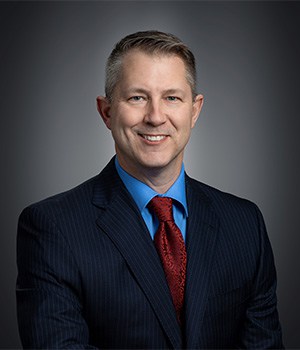



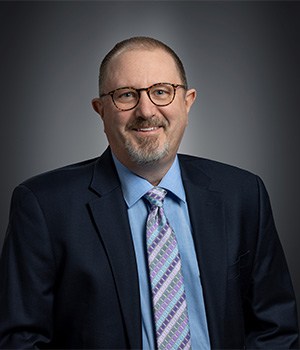

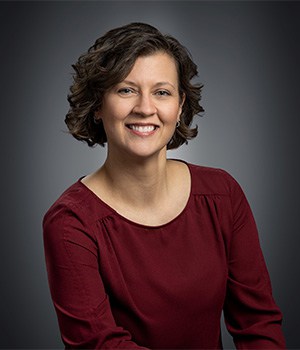

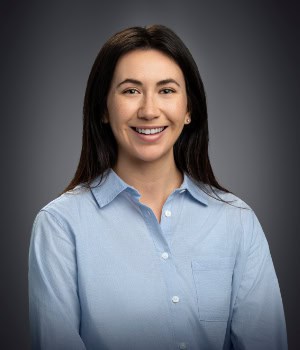
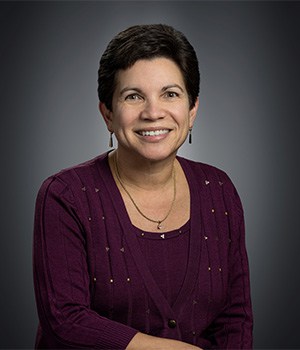
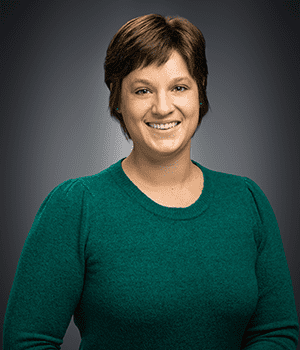

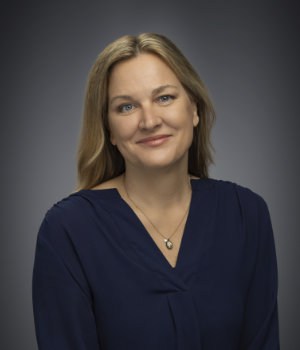
Let our experienced team at Ear, Nose and Throat Specialists of Wisconsin help you get back to living your life without limitations!
Frequently Asked Questions about Breathing Treatments
Why can't I breathe through my nose, and when should I see an ENT?
Trouble breathing through your nose usually comes from a physical blockage, chronic inflammation, or allergies, and it’s worth seeing an ENT when it lasts more than a few weeks or disrupts your sleep. Common causes include a deviated septum, enlarged turbinates, nasal polyps, and chronic congestion. If breathing sprays and allergy medicine haven’t helped, a specialist can pinpoint the cause. Persistent nasal obstruction is one of the most treatable reasons to book an evaluation.
What causes chronic nasal congestion and blockage?
Chronic nasal congestion is most often caused by allergies, chronic sinusitis, a deviated septum, enlarged turbinates, or nasal polyps, and frequently by more than one at once. Ongoing inflammation swells the nasal lining, while structural issues physically narrow the airway. Environmental irritants and overuse of decongestant sprays can make it worse. Identifying whether the driver is inflammatory, structural, or both is the key to lasting relief, and unresolved chronic sinusitis is a common culprit.
What's the difference between a deviated septum and turbinate problems?
A deviated septum is a shift in the wall between your nostrils, while turbinate problems involve swelling of the structures that warm and humidify air, and both narrow the nasal airway. A deviated septum is structural and often present from birth or injury, whereas enlarged turbinates usually result from allergies or chronic irritation. Many people have both together. In-office options such as VivAer can address certain nasal-valve and turbinate-related blockages without traditional surgery.
Do I need sinus surgery, or is there a less invasive option?
Not everyone with sinus problems needs surgery, and many patients improve with medication or a minimally invasive procedure first. When chronic sinusitis persists despite medical treatment, balloon sinuplasty gently opens blocked sinuses without cutting or removing tissue, often in the office. More extensive or structural disease may still require traditional sinus surgery. Your ENT recommends the least invasive option likely to work for your specific anatomy and symptoms after an exam and imaging.
What is balloon sinuplasty and how is it different from traditional sinus surgery?
Balloon sinuplasty is a minimally invasive procedure that opens blocked sinus passages with a small balloon, without removing bone or tissue. Traditional sinus surgery usually removes tissue or bone to enlarge the sinus openings and is used for more complex or severe disease. Balloon sinuplasty often takes place in the office with local anesthesia and a quicker recovery, while surgery may be done in an operating room. Your ENT matches the approach to your condition.
Can nasal blockage be fixed in the office without surgery?
Yes, many causes of nasal blockage can now be treated in the office without traditional surgery. Minimally invasive options use gentle radiofrequency energy to shrink tissue or reshape the nasal valve, typically under local anesthesia with little downtime. For chronic runny nose and congestion driven by overactive nerves, RhinAer is one in-office option. These treatments aren’t right for every anatomy, so an ENT evaluation determines whether an office-based procedure will help you.
When should a child have their tonsils or adenoids removed?
A child may need their tonsils or adenoids removed when they cause repeated throat infections, ongoing breathing trouble, or sleep problems like snoring and pauses in breathing. Frequent strep throat, chronic ear infections, and sleep-disordered breathing are common reasons. The decision weighs how often and how severely symptoms occur against the child’s overall health. An ENT evaluates whether tonsils and adenoids removal is likely to help before recommending it.
Can chronic sinus and breathing problems be caused by allergies?
Yes, allergies are a leading cause of chronic sinus and breathing problems, because allergic inflammation swells the nasal and sinus lining and blocks normal drainage. This can lead to congestion, postnasal drip, recurring sinus infections, and pressure. Treating the underlying allergy often improves breathing and reduces sinus flare-ups. That’s why an ENT allergy practice may pair breathing care with allergy treatments and testing to address both the structure and the trigger together.
How do I know which breathing treatment is right for me?
The right breathing treatment depends on what’s causing your symptoms, how severe they are, and whether the problem is structural, inflammatory, or both. An ENT starts with an exam, your history, and sometimes imaging or allergy testing, then recommends options ranging from medication to in-office procedures to surgery. There’s rarely a single answer, since many patients benefit from a combination. The breathing team at ENT Specialists of Wisconsin builds the plan around your specific diagnosis.
Where can I find an ENT for breathing and sinus problems near Appleton, WI?
You can find breathing and sinus care near Appleton at ENT Specialists of Wisconsin, whose physicians treat nasal obstruction, chronic sinusitis, and related conditions with both in-office and surgical options. The practice serves northeast Wisconsin from three Appleton offices on Grant Street, Meade Street, and Westhill Boulevard, plus locations in De Pere, Neenah, Oshkosh, Shawano, and Waupaca. To schedule an evaluation, call ENT Specialists of Wisconsin at (920) 969-1768.