
Hear Better
Our doctors of audiology provide hearing evaluations for infants, children and adults. We also provide vestibular/ balance testing. Because we are independent, we are able to fit hearing aids from several international laboratories. This gives us the ability to offer you the best options to fit your lifestyle. With our fair and competitive pricing, we deliver the best value in hearing healthcare.
Our hearing treatment plans
Audiology & Hearing Aid Center
Our hearing team is here for you
















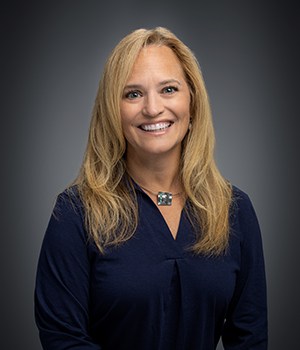




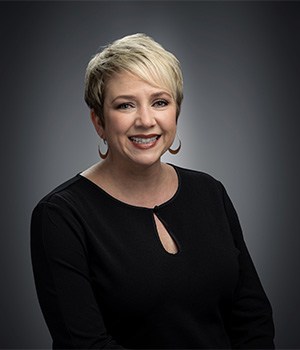




Let our experienced team at Ear, Nose and Throat Specialists of Wisconsin help you get back to living your life without limitations!
Frequently Asked Questions about Hear Better
How do I know if I need a hearing test?
Signs you likely need a hearing test include turning the TV up louder than others prefer, frequently asking people to repeat themselves, struggling to follow conversations in restaurants or group settings, missing parts of phone calls, or noticing ringing in your ears. Any sudden change in hearing warrants prompt evaluation. Hearing loss often develops gradually, so family members may notice it before you do. Adults with no symptoms should still get a baseline test around age 50, and anyone with regular noise exposure at work or during hobbies should be screened earlier. A screening evaluation is quick, non-invasive, and painless.
What is the difference between an audiologist and an ENT doctor?
An audiologist is a doctorally trained specialist (Au.D.) who tests hearing, diagnoses hearing and balance disorders, and fits hearing aids, while an ENT (otolaryngologist) is a medical doctor who diagnoses and treats medical or surgical conditions of the ears, nose, and throat, including ear infections, hearing loss with a medical cause, and structural problems. At ENT Specialists of Wisconsin, audiologists and ENT physicians work as one team, so you can move seamlessly from a hearing evaluation to medical or surgical care if it is needed. Which provider you see first depends on your symptoms, and the scheduling team can help route you to the right one.
What happens during a hearing evaluation at ENT Specialists of Wisconsin?
A hearing evaluation typically starts with a review of your medical and hearing history, an inspection of your ear canals and eardrums, and a series of painless tests conducted in a sound-treated booth. Testing usually takes 30 to 60 minutes and identifies the type and degree of any hearing loss. Common tests include pure-tone audiometry (listening for tones at different pitches), speech testing (repeating words at various volumes), and tympanometry to check middle ear function. Balance testing may be added if you experience dizziness. Results are explained the same day, and if hearing aids or medical follow-up are recommended, next steps are discussed before you leave.
Do I need a referral to see an audiologist in Wisconsin?
Whether you need a referral depends on your health insurance plan, not Wisconsin state law, because Wisconsin allows direct access to audiologists. Many PPO plans and Original Medicare Part B cover a diagnostic hearing test without a referral when it is medically necessary, while some HMOs and Medicare Advantage plans require a referral from your primary care doctor first. The fastest way to confirm is to check the back of your insurance card or call the member services number listed there. The ENT Specialists of Wisconsin scheduling team can also help verify what your plan requires before your appointment, so call (920) 969-1768 with your insurance information ready.
Does Medicare cover hearing tests and hearing aids?
Original Medicare (Part B) covers diagnostic hearing tests when ordered by a doctor to diagnose a medical condition, but it does not cover routine hearing exams or hearing aids themselves. Some Medicare Advantage (Part C) plans include hearing aid benefits, so coverage varies significantly by plan and by year. If you have a Medicare Advantage plan, check your benefits summary or call the number on your insurance card to confirm hearing aid coverage, allowance amounts, and any preferred provider requirements. The audiology team at ENT Specialists of Wisconsin can help you understand what your specific plan covers before your evaluation, and many patients use HSA or FSA funds toward the cost of devices.
Is sudden hearing loss a medical emergency?
Yes, sudden hearing loss in one or both ears should be treated as a medical emergency. Sudden sensorineural hearing loss (SSNHL) has the best recovery outcomes when treatment begins within 72 hours of onset, and delaying evaluation past two weeks significantly reduces the chance of recovering hearing. If you wake up with muffled hearing, notice hearing suddenly drop in one ear, or experience a rapid decline over a few days, contact an ENT provider the same day if possible. Sometimes what feels like sudden hearing loss is caused by earwax or middle ear fluid, which is easily reversible, but only an evaluation can tell the difference. Call (920) 969-1768 without delay.
How often should adults get their hearing checked?
Adults with no known hearing concerns should have a hearing screening at least every decade through age 50, then every three years after that. Adults with symptoms of hearing loss, regular noise exposure at work or during hobbies, a family history of hearing loss, or existing hearing aids should be tested at least once a year. Children typically receive hearing screenings at birth and again during pediatric well visits and school screenings. Older adults benefit from more frequent testing because age-related hearing loss (presbycusis) usually progresses gradually, and small changes are easy to miss without a baseline to compare against.
Can a hearing test help with tinnitus or ringing in my ears?
Yes, a hearing test is one of the most important first steps in evaluating tinnitus, because most tinnitus is closely linked to hearing loss, sometimes hearing loss so mild the patient has not noticed it. Identifying and treating any underlying hearing loss often reduces how bothersome the ringing feels. Your audiologist will look for patterns that suggest what is driving the tinnitus and rule out treatable causes such as earwax, middle ear problems, or medication effects. Management options can include treating hearing loss with hearing aids, sound therapy, counseling, and lifestyle changes that address triggers. Tinnitus rarely goes away completely, but most patients find meaningful relief with the right plan.
Where can I find an audiologist near me in Appleton, Wisconsin?
ENT Specialists of Wisconsin has audiologists at eight Fox Valley locations, including three offices in Appleton (Grant Street, Meade Street, and Westhill Boulevard) plus offices in De Pere, Neenah, Oshkosh, Shawano, and Waupaca. All locations offer hearing evaluations and hearing aid services. You can schedule at any location by calling (920) 969-1768, and the team can match you with an audiologist based on your location, appointment availability, and any specialty needs such as pediatric testing or complex hearing aid fittings. The dedicated Audiology & Hearing Aid Center is also available for device-focused visits like adjustments, cleanings, and repairs.
Can loud manufacturing jobs or hunting cause permanent hearing loss?
Yes, repeated exposure to loud manufacturing equipment, firearms, and other high-decibel sources causes noise-induced hearing loss, which is permanent and cumulative. Sounds at or above 85 decibels can damage the hair cells in the inner ear, and a single unprotected gunshot at close range can cause immediate permanent damage. In the Fox Valley, workers in paper mills, printing, and light manufacturing plus hunters and target shooters are especially at risk. The good news is that noise-induced hearing loss is largely preventable with custom earplugs or electronic hearing protection, and a baseline hearing test lets you monitor for early changes over time. If you work in a loud environment or hunt regularly, schedule an evaluation to establish that baseline.